Suicide Cleanup: Education
Science and technology used in some suicide cleanup scopes, with explicit limits for ATP, disinfectants, enzymes, fogging, air equipment, and moisture tools.
Posts here explain the ideas behind cleanup after a traumatic death. They help families and owners understand what they are paying for and why it matters. Topics include what bloodborne germs are and why cleaning and disinfecting are separate steps. Posts cover how disinfectant labels say how long the product must stay wet. They also explain why some materials cannot be saved, no matter how carefully they are treated. The writing avoids medical terms where it can. It never dwells on how a death happened. Instead, it focuses on the basics of safe, respectful work in a home after a suicide loss. That way you can spot sound practice when a provider explains its plan.
Get an email reply about suicide cleanup
Send a short message to the follow-up inbox. A coordinator can reply by email. This form does not send emergency help; call 911 first if anyone is in danger.
Learning a few basics can make talks with providers, landlords, and insurers feel less scary. When you know what a waste shipping record is, or why a crew wears certain gear, you are better able to ask direct questions. You are also more likely to notice vague answers. These posts also clear up common mix-ups. One is the belief that a clean-looking space must be safe. Another is that household products are enough for this kind of work. No one expects you to become an expert. The aim is just to give you enough background that the process feels less mysterious at a time that already holds so much.
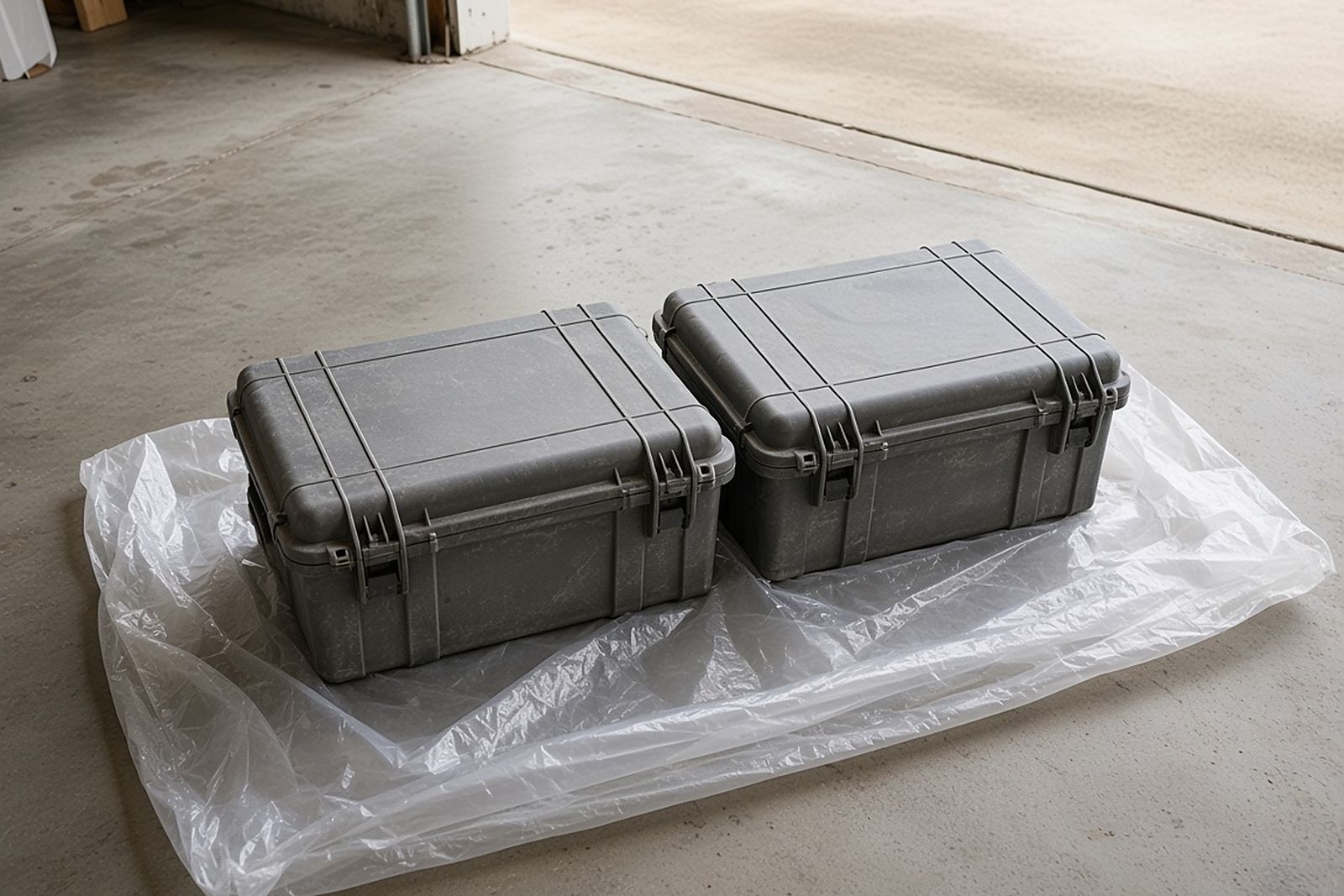
The Science Behind Suicide Cleanup
A gentle look at the science of suicide cleanup: how fluids move into home materials, why cleaning comes before disinfecting, and how rooms are verified safe.
Suicide cleanup uses infection-control science to make a room in a home safe again. Body fluids are treated as potentially infectious, porous materials absorb fluid beneath the surface, and disinfectants only work on surfaces that have been cleaned first and kept wet for the labeled time. Trained crews remove what cannot be restored, disinfect the rest, control odor and verify the result, so your family does not have to.
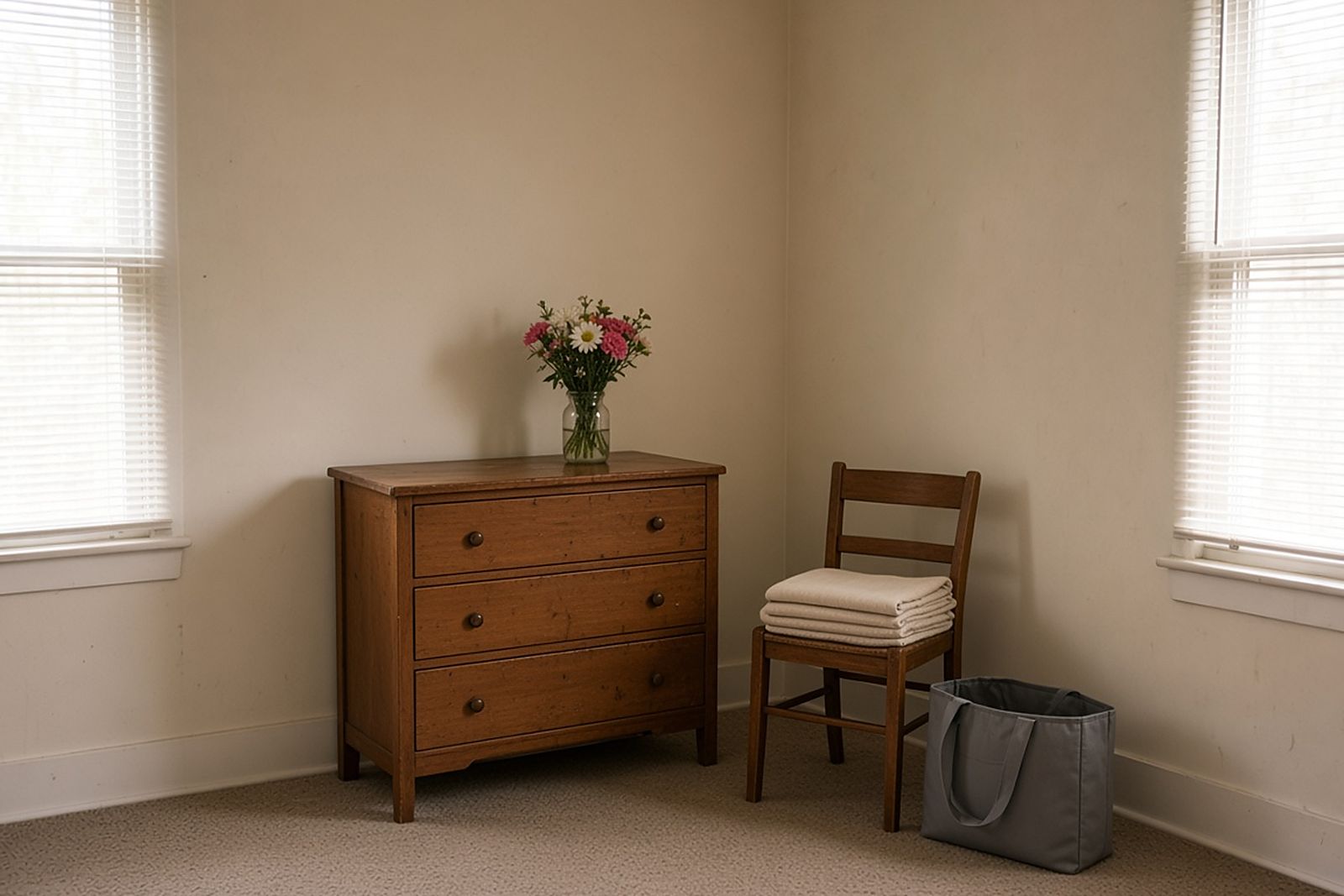
How to Evaluate Equipment Proposed for Suicide Cleanup
A gentle guide to judging the equipment in a suicide cleanup proposal, so you can tell careful, discreet planning from padded or generic lists of gear.
When a suicide cleanup provider proposes equipment, check that each item is tied to your loved one's room and its materials. Expect protective gear, named EPA-registered cleaners and disinfectants, containment, careful tools for keepsakes and removal, air filtration only when dust or odor call for it, and verification records. Ask about anything vague or costly that is not explained, and let a trusted person help you review it.
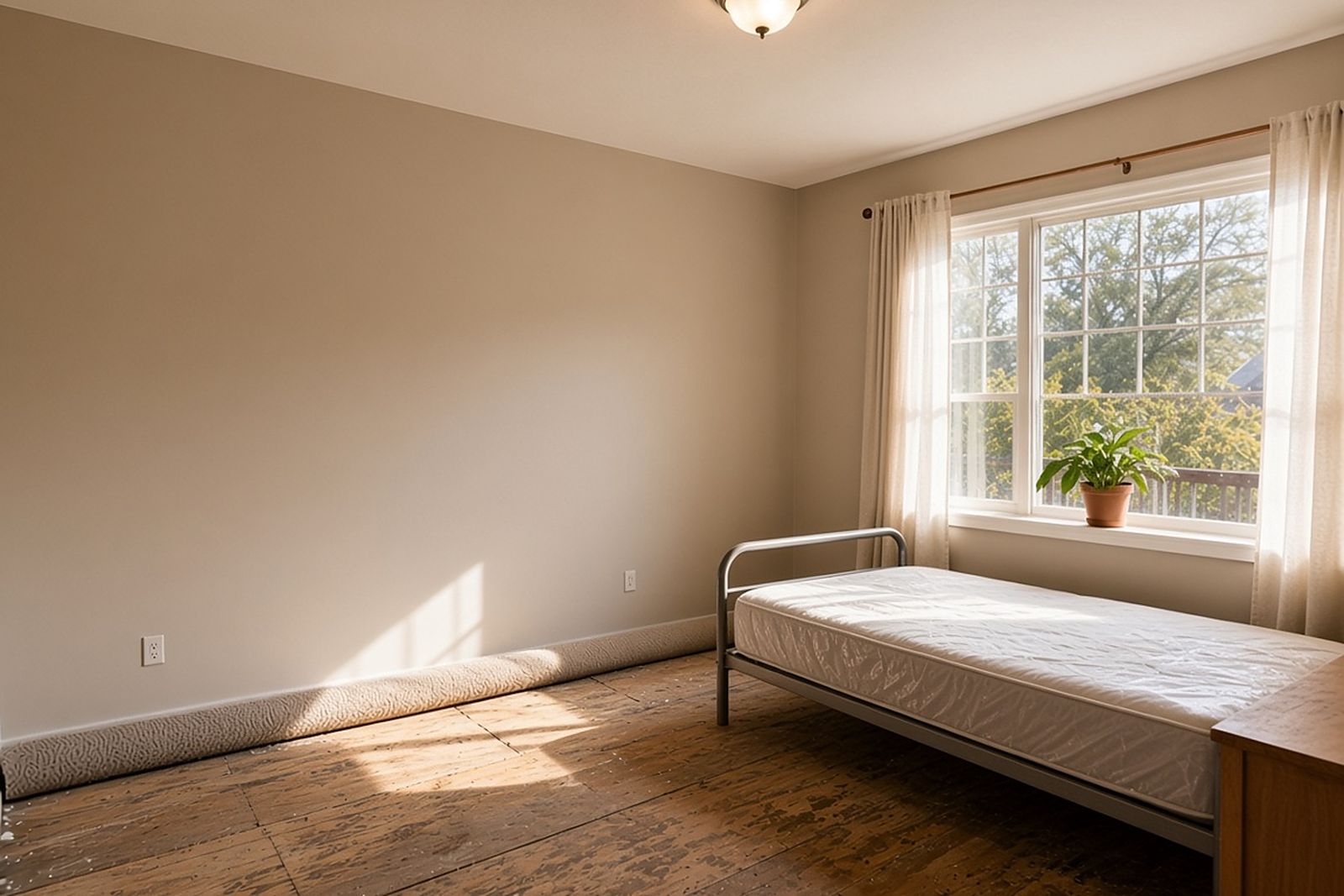
The Difference Between Cleaning and Disinfection in Suicide Cleanup
A gentle explanation of why suicide cleanup needs both cleaning and disinfection, what each step does, and how keepsakes and rooms are safely restored.
Cleaning removes blood and other material from surfaces, while disinfection uses a registered product, left on for its full contact time, to inactivate germs that remain. After a suicide at home, professionals clean first, then disinfect, and remove absorbent items that cannot be treated. Understanding the difference can help you know what to ask for and why a room that looks clean may still need care.
When ATP Testing Helps—and When It Does Not—in Suicide Cleanup
What an ATP swab can and cannot tell a family after suicide cleanup, how to read the results, and which other checks matter more for the room you return to.
ATP testing measures leftover organic residue on a surface a technician chooses to swab. After suicide cleanup, it can help show that cleaned hard surfaces are free of visible and invisible soil. It cannot detect specific germs, see inside walls or subfloors, prove odor is gone or set a universal pass mark. Treat it as one piece of evidence alongside photos, material removal records and a walkthrough.
How to Evaluate Technology Used in Suicide Cleanup
How to judge the tools a suicide cleanup company proposes, from moisture meters and air scrubbers to ozone and fogging, and when simpler methods are enough.
Technology earns its place in suicide cleanup only when it improves a specific decision or record. Ask each provider what a tool measures or does, what it cannot do, whether it changes the scope and why a simpler method would not work. Moisture meters, air filtration and good photo documentation often help. Fogging, ozone and similar add-ons deserve extra questions, especially about safety.
When Enzymes or Microbial Products Fit Suicide Cleanup
When enzyme or microbial cleaners help after a suicide at home, where they fall short, and how they fit with removal, disinfection and odor control.
Enzyme and microbial products can help break down leftover organic residue in places such as concrete, grout or subfloor seams after contaminated materials have been removed. They do not disinfect, cannot rescue a saturated mattress or carpet pad and work only under the conditions on their labels. In suicide cleanup, they are a supporting step, used in the right order with removal and registered disinfectants.
Sourced figures on education
- 37%
An estimated 37% of fire and EMS professionals have contemplated suicide, nearly 10 times the rate of American adults, and 6.6% have attempted suicide versus 0.5% of civilians.
Read with care: Based on a cited convenience-sample survey; not a national probability estimate.
Source: SAMHSA Disaster Technical Assistance Center (2018)United States, fire and EMS professionals (Abbot et al., 2015, cited by SAMHSA)
- 5.5 million
The same study estimated that about 5.5 million U.S. residents are exposed to a suicide in their social networks each year.
Read with care: Derived estimate, not a direct count.
Source: Suicide and Life-Threatening Behavior (Cerel et al.) (2018)United States, annual estimate derived from 135 exposures per suicide
- 56%
Among bereavement-service help-seekers, 56% experienced access difficulties.
Read with care: Pandemic-specific and self-selected; overlapping follow-up studies must not duplicate baseline findings.
Source: Harrop et al. (2021)711 UK adults bereaved March–December 2020; nonprobability recruitment.
These figures are public research and agency data, not this network's own job records. Keep each number with its population, year and limits; none of them predicts cost, timing or outcome at a specific property.
What research has found
Findings from published studies of people and properties in situations like this one. They describe what researchers observed in a specific group; they are not predictions for your case.
Some relatives avoided viewing because they feared the body's appearance.
Community gossip made some participants feel scrutinised rather than supported.
Education: common questions
What is the difference between cleaning and disinfecting?
Cleaning removes dirt and body matter that you can see on a surface. Disinfecting uses a registered product to kill germs. It only works well on a surface that has already been cleaned. Skipping the cleaning step can leave residue that shields germs from the disinfectant. That is why trained crews always follow that order.
Why can't household bleach handle this kind of cleanup?
Household products are not made for heavy body fluids. Bleach can also lose strength when blood or other body matter is present. It cannot reach fluids that have soaked into padding, the subfloor, or the inside of walls. Professional work combines removing affected materials, proper cleaning, and using disinfectants the way their labels direct.
What does the word migration mean in trauma cleanup?
This term means how far fluid soaked in or spread. Fluids can move past the spot where they first landed. They can seep under floors, along seams, or into nearby rooms. Because this spread is often hidden, providers check under and around the area you can see. Finding and treating it is one reason professional cleanup takes longer than a quick wipe-down.
Why do crews treat all body fluids as potentially infectious?
There is no way to tell by looking whether blood or other fluids carry germs. For that reason, trained crews follow a practice sometimes called universal precautions, handling all body fluids as if they could spread infection. This protects the crew, your family, and future occupants. It is not a judgment about the person who died; it is simply the safest way to approach any cleanup.
How long must a disinfectant stay wet on a surface where blood was cleaned?
This wait is how long the disinfectant must stay wet. It is printed on the product label and differs from one product to another. If the surface dries or is wiped too soon, germs from blood and other fluids may not be fully killed. So crews put more on as needed to keep the surface wet for the full time. Asking a provider which product they use and its label time is a simple check on their care.
What is the difference between porous and non-porous materials?
Non-porous materials, such as glass, sealed tile, and metal, do not soak up liquids. They can usually be cleaned and disinfected. Porous materials, such as carpet, mattresses, drywall, and bare wood, soak up liquids below the surface where cleaning cannot reach. That is why porous items in the affected area are often removed. Some materials fall in between and need careful judgment.
Why might a room that looks clean still need professional work?
Fluids can soak into materials or travel beneath flooring and behind trim without leaving visible marks on the surface. Germs are invisible, and residue can cause odor later. A trained crew checks beneath and around the visible area, removes what cannot be cleaned, and disinfects the rest. A room that looks clean may still need that deeper attention to be truly safe.
Related community polls
Every count is a real visitor vote; nothing is seeded or padded. One vote per poll per device, and you can change your answer.
If you were coordinating cleanup after a suicide loss, who would you want to make the first call to a provider?
How important is it to you that a cleanup crew arrives in unmarked vehicles and plain clothing?
More on suicide cleanup
Suicide Cleanup services
Learn what cleanup after a suicide loss involves. See how scene release, approval, disinfecting, belongings, and records all work to protect your family.
Costs explained
What drives the price, published cost ranges, and how to read a written quote line by line.
Insurance and payment
Which policies may respond, how to document a claim, and what to do if coverage is denied.
Planning tools
Six short, private tools help you plan the first day, check risk, vet a provider, estimate cost, sort out a claim, and understand waste.
Community polls
See how other families handled privacy, insurance, staying home, and picking a provider after a suicide loss. Add your own view without giving your name.
Knowledge quiz
Check what you know about hazards, who can approve work, sealing off the room, disinfecting, waste, and records. This gentle quiz is for families and helpers.
Field guides
Step-by-step guides walk you through approval, privacy requests, insurance questions, and when to go back in after a suicide in a home or rental.