Suicide Cleanup: Industry Insights
Operational analysis of suicide cleanup documentation, property-type differences, technology limits, environmental decisions, and provider business models—without invented case histories.
Industry posts look at how this kind of cleanup has changed. They show what sets careful providers apart from those that cut corners. They discuss the growing focus on privacy, written consent for belongings, and talk that avoids graphic detail. Articles also look at how checks such as surface testing after disinfecting have become more common. They explain why records matter to insurers and property owners. Other posts look at the training and emotional support that workers need, since facing grief again and again can take a toll. The view is practical and respectful. It aims to help readers understand the field, not to promote any one company.
Get an email reply about suicide cleanup
Send a short message to the follow-up inbox. A coordinator can reply by email. This form does not send emergency help; call 911 first if anyone is in danger.
Knowing the industry can help you make sense of what providers tell you. Some businesses do only this kind of work. Others add it to restoration or cleaning services, and their experience with delicate family situations can differ. These posts explain how referrals from funeral homes, victim advocates, and property managers usually work. They also explain that you are always free to choose your own provider. They discuss concerns such as pushy marketing after a death. Knowing these patterns helps you spot good practice. It also helps you ask for the standard of care your family deserves at a painful time.
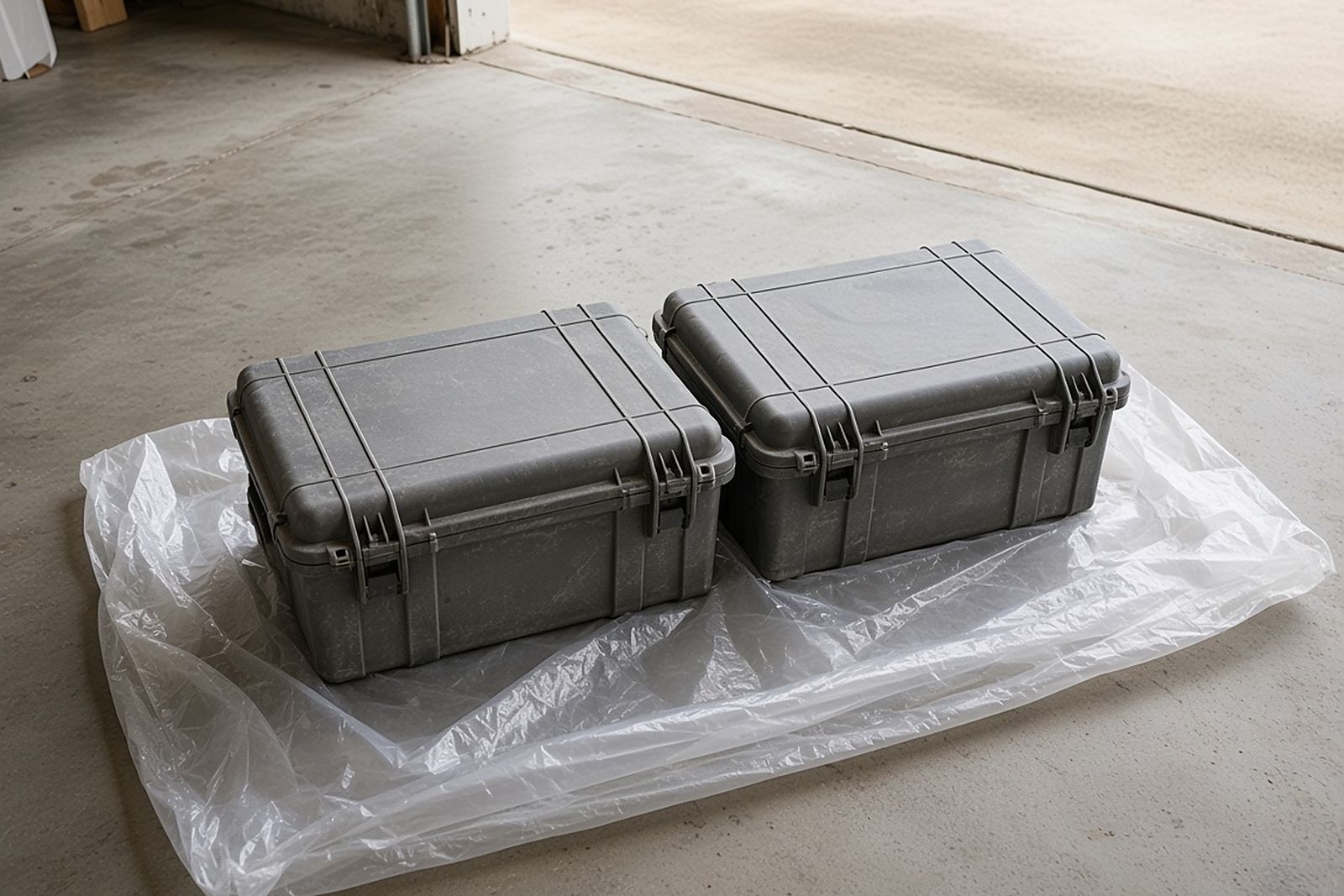
How Suicide Cleanup Practice Has Changed
How suicide cleanup changed as stigma eased, safety rules matured and postvention care grew, and what families can now expect from a respectful provider.
Suicide cleanup was long handled privately by families, often in silence because of stigma. Workplace safety rules, better disinfectants and specialist crews made the work safer, while the growth of suicide loss support, safe messaging practices and the 988 Lifeline changed how providers speak with families. Today, good practice combines technical care with discretion, gentle communication and respect for keepsakes.

Suicide Cleanup for Property Managers: What You Need to Know
A property manager's guide to suicide cleanup in a rental: authority, tenant privacy, family contact, scope limits, neighbors and a clear point of re-rental.
When a suicide happens in a unit you manage, your role is to protect the property, the surviving household and neighboring tenants at once. Confirm who can authorize work, keep the family's privacy, limit the scope to documented conditions, notify your insurer, communicate calmly with other residents and set a written condition for when the unit can be occupied again.
Suicide Cleanup Planning Example: Building a Defensible Scope
A fictional walk-through of a suicide cleanup scope: how each line links to a finding, what gets removed, how belongings are handled and what closeout proves.
A defensible suicide cleanup scope connects every task to something the assessor actually observed and photographed. It maps affected areas, explains why each material is cleaned or removed, names the disinfectant and its contact time, describes how belongings and waste are handled, lists exclusions, says who can approve changes and defines the records you will receive at closeout.
Commercial vs Residential Suicide Cleanup
How suicide cleanup differs in a family home versus a workplace, hotel or store: who decides, who is told, when work happens and how people are supported.
The cleaning itself is similar wherever a suicide occurs, but the surrounding decisions are not. At home, the family usually decides and privacy centers on grief. In a business, a manager or owner authorizes work, employees and customers must be considered, work windows are tighter and records serve insurers and leadership. Both settings need discretion, careful handling of belongings and access to support.
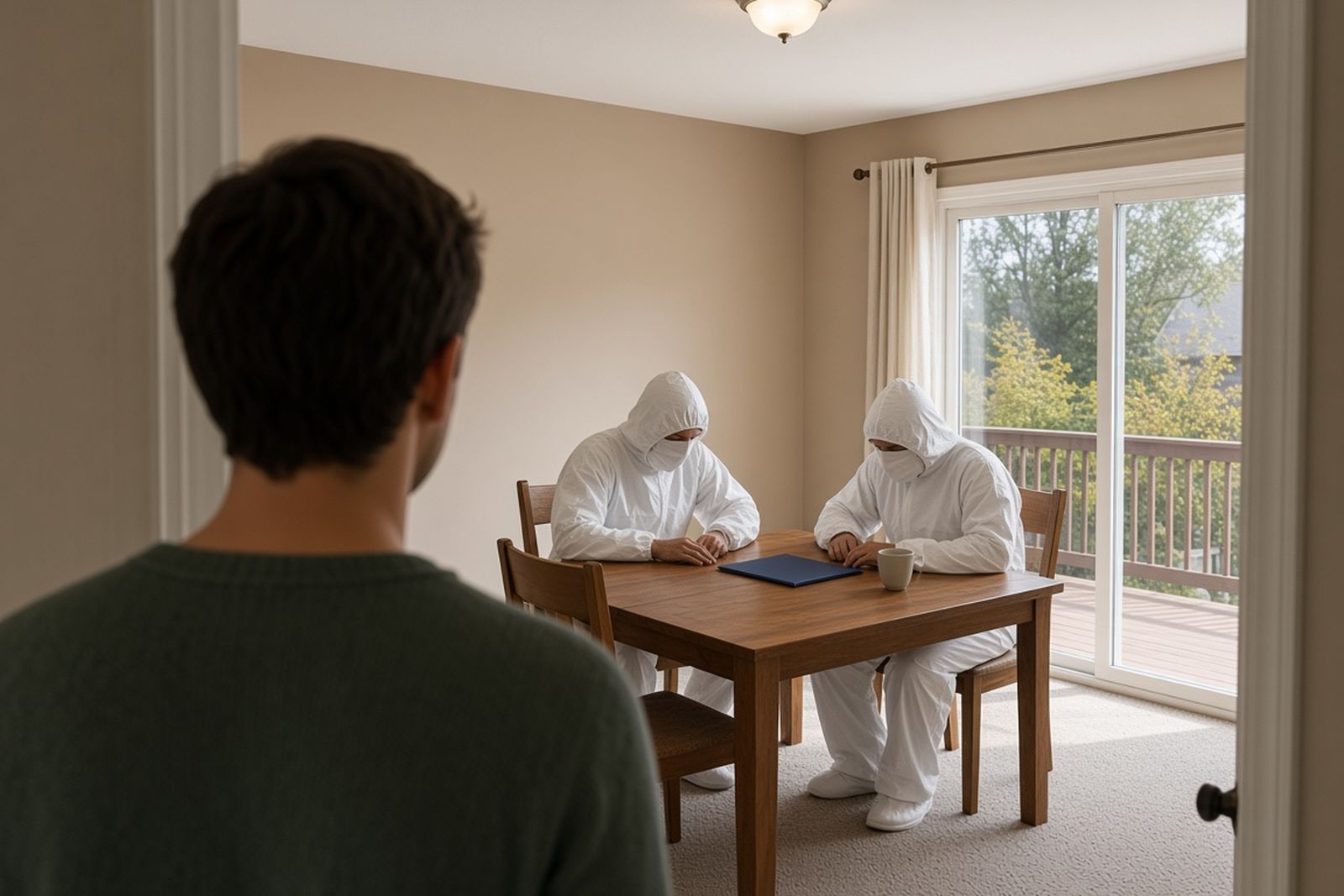
Environmental Responsibility in Suicide Cleanup
What environmentally responsible suicide cleanup looks like: sorting waste correctly, saving what can be saved, using products as labeled and tracking disposal.
Environmentally responsible suicide cleanup means removing only what is truly contaminated, classifying waste correctly, keeping unaffected belongings out of the trash, using disinfectants exactly as their labels direct, keeping rinse water out of storm drains, using a licensed waste hauler and giving you records of where everything went. Green marketing alone proves nothing; the paperwork and the reasoning behind each decision do.
Sourced figures on industry insights
- 99
99 of 159 consistent non-viewer respondents did not wish they had viewed.
Read with care: Observational; no causal effect established; item denominators differ.
Source: Omerov et al. (2014)666 Swedish suicide-bereaved parents; surveyed 2–5 years after loss.
- 60%
60% had not sought support from their general practitioner.
Read with care: Pandemic-specific and self-selected; overlapping follow-up studies must not duplicate baseline findings.
Source: Harrop et al. (2021)711 UK adults bereaved March–December 2020; nonprobability recruitment.
- 48,824
Suicide was responsible for 48,824 deaths in the United States in 2024.
Read with care: Final 2024 mortality data; some deaths of undetermined intent are excluded.
Source: CDC (2024)United States, 2024, death certificates
These figures are public research and agency data, not this network's own job records. Keep each number with its population, year and limits; none of them predicts cost, timing or outcome at a specific property.
What research has found
Findings from published studies of people and properties in situations like this one. They describe what researchers observed in a specific group; they are not predictions for your case.
Some relatives avoided viewing because they feared the body's appearance.
Community gossip made some participants feel scrutinised rather than supported.
Industry Insights: common questions
Why do some companies call families soon after a death?
Some businesses watch public notices or police activity and reach out without being asked. This is not always wrong, but it can feel intrusive. You never have to use a company that contacts you first. Take time to compare options. Or ask a victim advocate or funeral director for general advice on picking a provider.
How are trauma cleanup workers supported emotionally?
Responsible employers recognize that repeated exposure to loss can affect their staff. Some offer counseling access, debriefing after difficult jobs, and time off when needed. You can ask a provider how it supports its team, since workers who are cared for tend to bring more patience and compassion to each family they serve.
Are funeral homes or police required to recommend a specific provider?
Generally not. Funeral directors, officers, and advocates may share names of companies they know. But the choice belongs to the person with authority over the property. Referrals can be a helpful place to start. Still, it is wise to ask any recommended provider the same checking questions before you agree to the work.
How do cleanup companies decide how many technicians to send?
Crew size depends on the size of the affected area, the materials involved, how much must be removed, and scheduling needs. A small job may need only a small team, while larger jobs may need more people. Ask the provider why they chose their crew size and how it affects the schedule and cost. A clear explanation shows they have planned the job thoughtfully.
Why do some companies specialize in suicide and death cleanup while others do many services?
Some companies focus on trauma and death cleanup because it requires particular skills in both safety and communication with grieving families. Others offer a wide range of restoration services, including water or fire damage. Either type can do good work. Ask how often they handle situations like yours and how their staff are prepared to work with bereaved families.
How do providers keep information about a family's loss confidential?
Good providers limit who in the company knows the details. They avoid talking about jobs in public, and they keep records secure. Some use unmarked vehicles and plain clothes. They should never share photos or information without your permission. Ask each provider how they keep things private. Ask that your family's information not be used in any marketing or training materials.
Is the suicide cleanup industry changing how it talks to families?
Many providers have moved toward gentler, more careful language. They avoid graphic descriptions and phrases that carry shame. Some train staff to speak with grieving people and share support resources. There is still wide variation, so how a company speaks to you is still an important sign of its approach. Families who share feedback help push the industry toward better practice.
Related community polls
Every count is a real visitor vote; nothing is seeded or padded. One vote per poll per device, and you can change your answer.
If you were coordinating cleanup after a suicide loss, who would you want to make the first call to a provider?
How important is it to you that a cleanup crew arrives in unmarked vehicles and plain clothing?
More on suicide cleanup
Suicide Cleanup services
Learn what cleanup after a suicide loss involves. See how scene release, approval, disinfecting, belongings, and records all work to protect your family.
Costs explained
What drives the price, published cost ranges, and how to read a written quote line by line.

Insurance and payment
Which policies may respond, how to document a claim, and what to do if coverage is denied.
Planning tools
Six short, private tools help you plan the first day, check risk, vet a provider, estimate cost, sort out a claim, and understand waste.
Community polls
See how other families handled privacy, insurance, staying home, and picking a provider after a suicide loss. Add your own view without giving your name.
Knowledge quiz
Check what you know about hazards, who can approve work, sealing off the room, disinfecting, waste, and records. This gentle quiz is for families and helpers.
Field guides
Step-by-step guides walk you through approval, privacy requests, insurance questions, and when to go back in after a suicide in a home or rental.