Short answer
Enzyme and microbial products can help break down leftover organic residue in places such as concrete, grout or subfloor seams after contaminated materials have been removed. They do not disinfect, cannot rescue a saturated mattress or carpet pad and work only under the conditions on their labels. In suicide cleanup, they are a supporting step, used in the right order with removal and registered disinfectants.
What bioremediation means in suicide cleanup
Enzyme cleaners contain proteins that speed up the breakdown of specific organic materials, such as proteins and fats. Microbial or bio-based products contain live, beneficial bacteria that digest organic residue over time. Both are sometimes grouped under the term bioremediation.
These products are widely used for pet accidents, drains and odor problems. In biohazard cleanup, some providers use them to help break down organic residue that lingers in porous or textured surfaces after the main cleanup is done.
You may hear a provider mention them when you ask about odor, or see them listed in a scope. Understanding where they fit, and where they do not, can help you judge whether the plan for your home makes sense.
Where these products can help
After a suicide at home, most of the work involves finding every affected area, removing materials that absorbed fluids and cleaning and disinfecting what remains. Enzyme or microbial products come in later, if at all, to address residue in places that are hard to reach with ordinary cleaning.
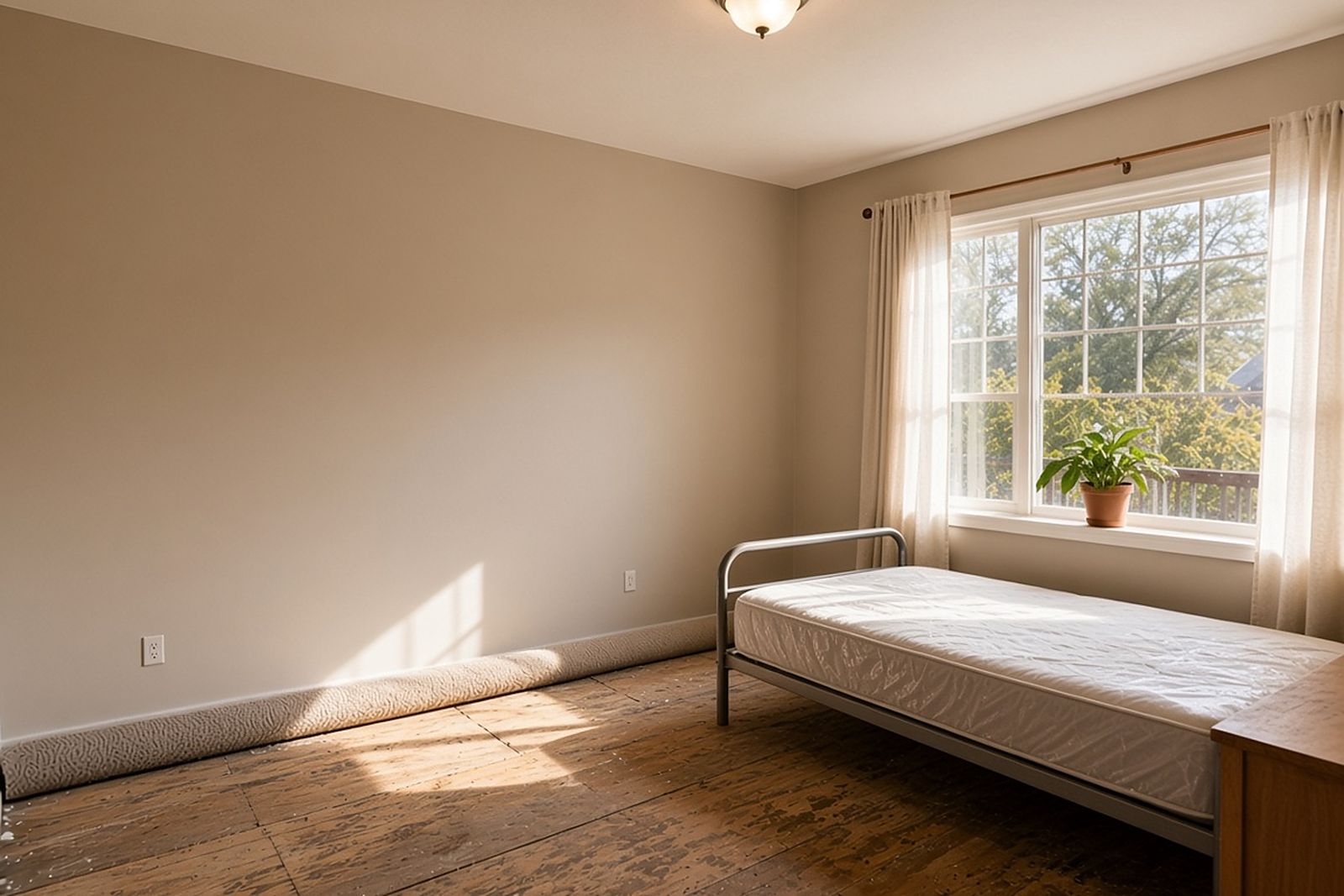
Examples include unsealed concrete, tile grout, the seams and knots of a wooden subfloor, or the edges of a floor where residue collected. In those spots, enzymes may help loosen and break down organic material so it can be removed more completely, which can also reduce the source of lingering odor.
They can also be useful in drains or traps if cleanup water passed through them, though the provider should follow the local sewer utility's rules about what goes down the drain.
In other words, these products are a finishing tool, not a starting point. When a provider leads with enzymes before explaining how they will find and remove contaminated materials, that is a signal to ask more questions.
What can enzymes and microbes not do?
They do not disinfect. Breaking down organic material is different from inactivating bloodborne pathogens. A registered disinfectant, used according to its label, is still needed on hard surfaces that may have been exposed. The EPA's List S identifies registered disinfectants with label claims against HIV, hepatitis B and hepatitis C, which gives providers a clear reference point.
They cannot make heavily contaminated porous items safe to keep. When fluids have soaked into a mattress, upholstered furniture, carpet pad or drywall, removal is usually the responsible choice. A spray that treats the surface cannot reach deep into padding or fibers, and trying to save such items can leave a lasting hazard and odor.
They also need the right conditions. Many products require specific temperatures, moisture levels and dwell times, sometimes hours or longer. Applying them too soon, too thinly or on the wrong surface wastes time and money.
Finally, they do not address non-organic problems such as chemical residue, and they are not a replacement for ventilation or HVAC cleaning.
Why the order of steps matters
Sequence is where many misunderstandings happen. Disinfectants are designed to kill microorganisms, and some can also deactivate enzymes or kill the beneficial bacteria in microbial products. Using both at once can cancel out one or the other.
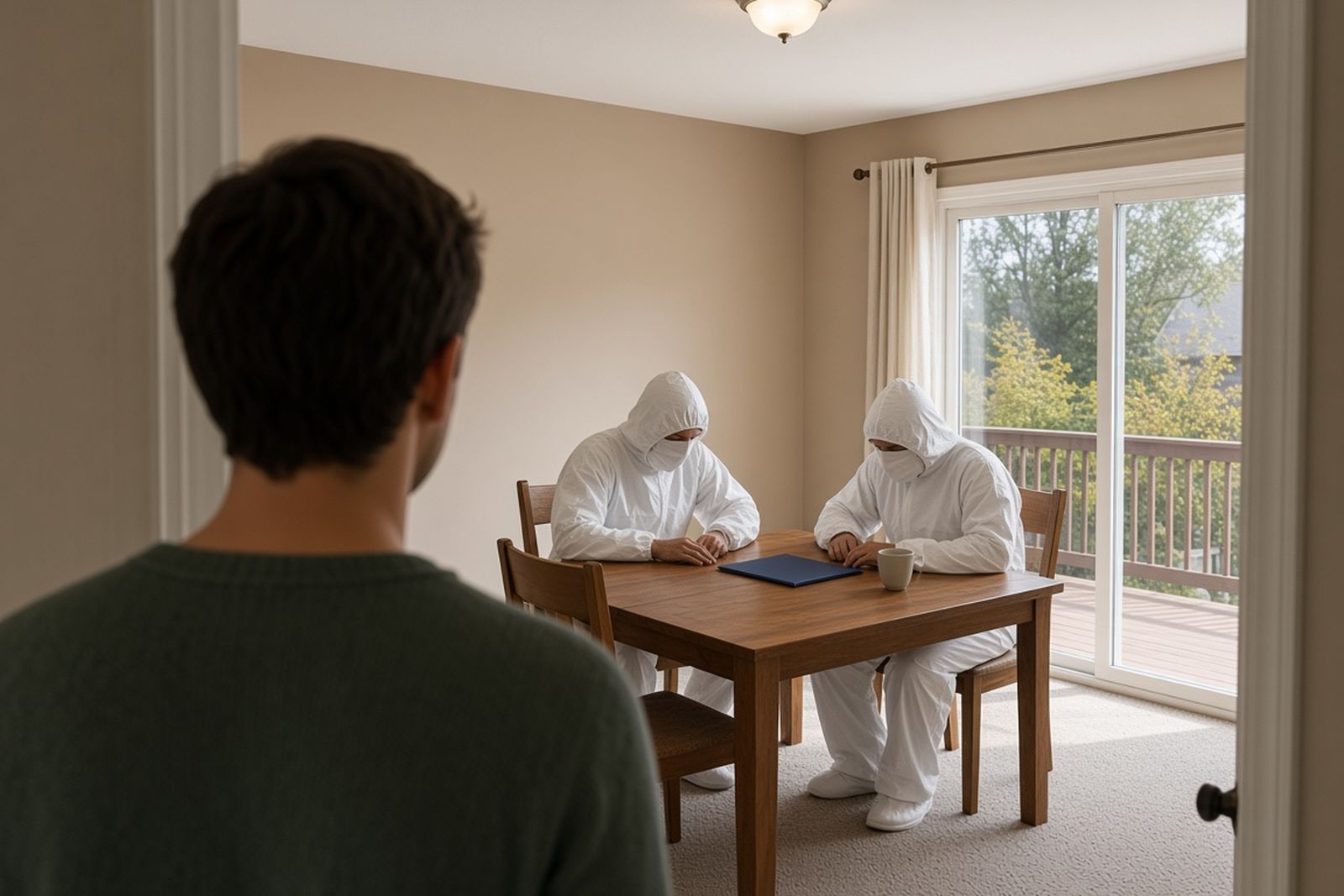
A thoughtful provider will explain their order of work. Often that means removing contaminated materials first, cleaning to remove visible soil, disinfecting according to the label, and then, only where needed, applying an enzyme or microbial product to a specific area after the disinfectant has done its job and been cleared as the label directs. Some providers use enzymes as part of the cleaning step before disinfection instead.
Either approach can work if it follows the product labels. What matters is that the provider can explain why they chose that order for your home.
- Remove porous materials that absorbed fluids
- Clean hard surfaces to remove soil
- Disinfect with a registered product and full contact time
- Apply enzyme or microbial treatment only where it has a purpose
- Allow drying, then seal or restore surfaces as planned
- Check for odor before rebuild
How can I tell if a provider is using these products appropriately?
Ask why the product is being used and where. A good answer points to a specific surface or problem, such as residue in a concrete floor or odor at a subfloor seam. A vague answer, such as we use it on every job, suggests a habit rather than a decision.
Ask how long it must stay in place and what conditions it needs. If the provider plans to apply a product and leave within minutes, ask whether that matches the label.
Be cautious if a provider suggests that an enzyme or microbial treatment means a soaked item can stay. That claim often trades short-term savings for long-term problems, including odor that returns in warm weather.
Also ask whether the product leaves a scent. Some are heavily fragranced, which can make it hard to tell whether the underlying odor is truly gone.
Can these products solve a lingering odor on their own?
Odor is one of the most common reasons families ask about enzyme products. Weeks after cleanup, a faint smell may return on a warm day or when the heat comes on. That can be deeply upsetting, because it feels like the loss is reaching back into the house.
A lingering odor almost always means some residue remains somewhere: in a subfloor seam, under a threshold, inside a wall cavity, in a nearby piece of furniture or in the ductwork. Enzyme or microbial products can help break down residue once it has been found, but they cannot find it. The first step is always a careful re-inspection.
If a smell returns, call the provider and ask them to come back and investigate. A reputable company will want to know, and many will address it as part of their original work. Ask them to explain what they found, what they removed or treated and why the smell should not return.
Avoid masking products such as heavy air fresheners or scented candles in the meantime if you can. They make it harder for the provider to locate the source, and they can leave you uncertain about whether the real problem was solved.
Safety around family and pets
Many enzyme and microbial products are marketed as low-toxicity, and that can be true, but safety still depends on following the label. Some can irritate skin or eyes, and some should not be used around people with weakened immune systems. Ask the provider for the product name and safety information if you have concerns.
In most cases, the treated area will be closed off during the work, and you will not need to be present. If you are staying in another part of the home, ask when it will be safe for children and pets to return to the area.
If anyone in your household has asthma, allergies or sensitivity to fragrances, mention it early. The provider can often choose an unscented product or schedule extra ventilation time before the family returns to that part of the home.
What matters most as the work ends
The right products, used in the right order, can make a real difference, especially for odor. But no product can replace careful inspection and removal of what was truly affected. That is the heart of safe suicide cleanup.
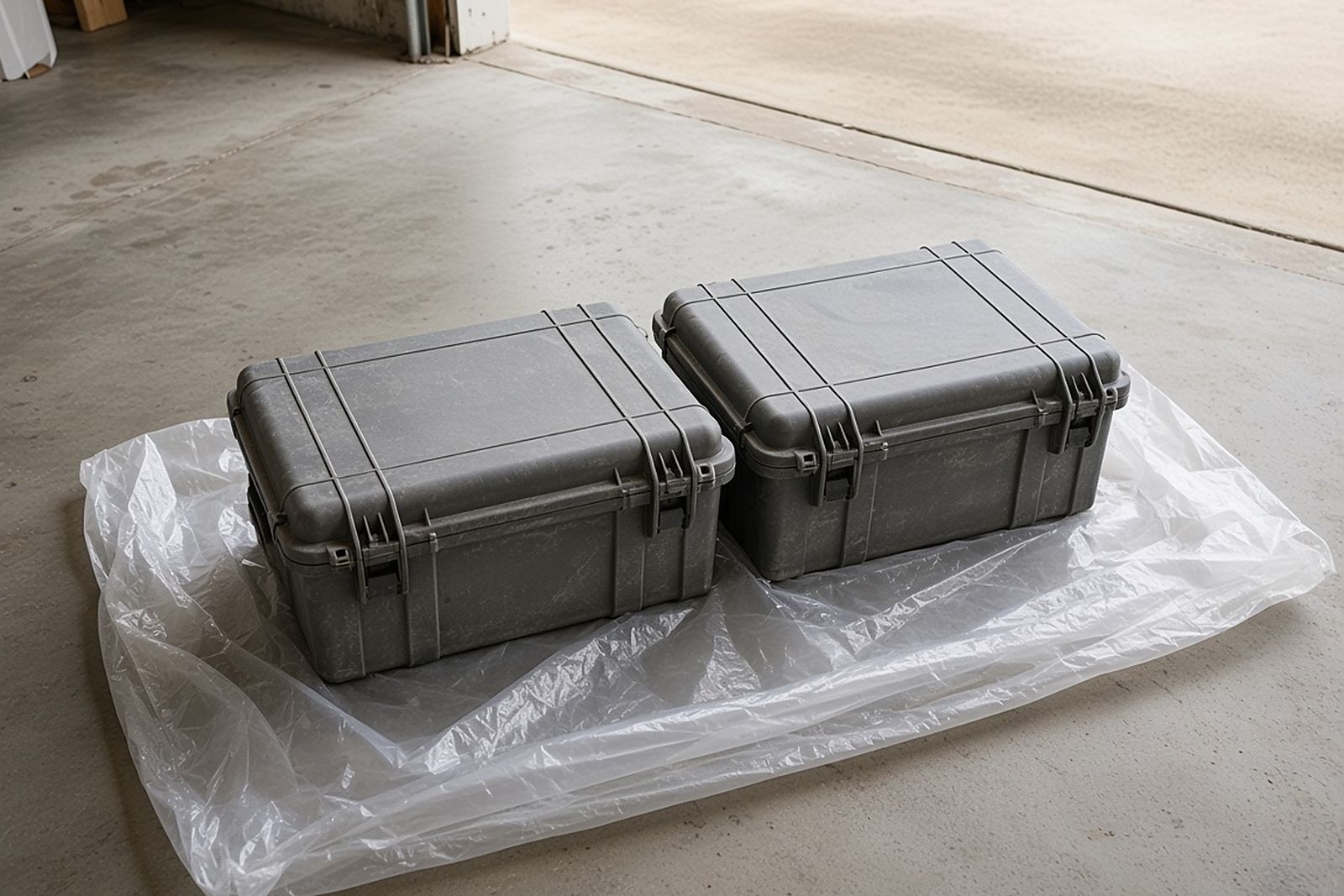
When you receive the final report, look for the names of every product used, where each was applied and how long it stayed in place. That record helps any future contractor, such as a flooring installer, understand what is on the surface before they seal or cover it, and it gives you confidence that each step had a reason.
The weeks after a suicide can be profoundly hard, and details like these can feel like a lot to hold. If you are struggling, or worried about someone in your family, call or text 988 to reach the 988 Suicide and Crisis Lifeline. Support is available any time.