Short answer
Cleanup after a suicide at home often happens while you are in shock, grieving and full of questions. You can ease the strain by letting someone else coordinate the work, staying elsewhere while it happens, deciding about belongings later, returning to the room slowly with support and connecting with suicide loss survivor groups. If you are struggling, call or text 988 anytime.
Why this part of the loss is so hard
After a suicide, grief can arrive alongside shock, guilt, anger, confusion and deep sadness, sometimes all within an hour. If the death happened at home, you may also be facing a room you cannot bear to see and decisions about cleanup you never imagined making. It makes sense that this feels like too much.
Suicide loss also tends to be isolating. People around you may not know what to say, and you may worry about how others will react. Yet you are far from alone. Each year, roughly 5.5 million people living in the United States are exposed to a suicide within their social networks, according to a 2018 estimate by Cerel and colleagues.
The people closest to the person who died often carry the heaviest load. A 2012 review in Dialogues in Clinical Neuroscience reported that close relatives bereaved by suicide experience complicated grief at rates of 57% to 80%, compared with 14% to 28% among friends, coworkers and distant relatives. That is why protecting yourself from unnecessary strain during cleanup matters.
Guilt is one of the most common feelings after suicide loss. Many people replay conversations and wonder what they missed. Those thoughts are a natural part of grief, but they are not a fair measure of your responsibility. Suicide has many causes, and no single person can see or control all of them.
Can someone else take care of the cleanup for me?
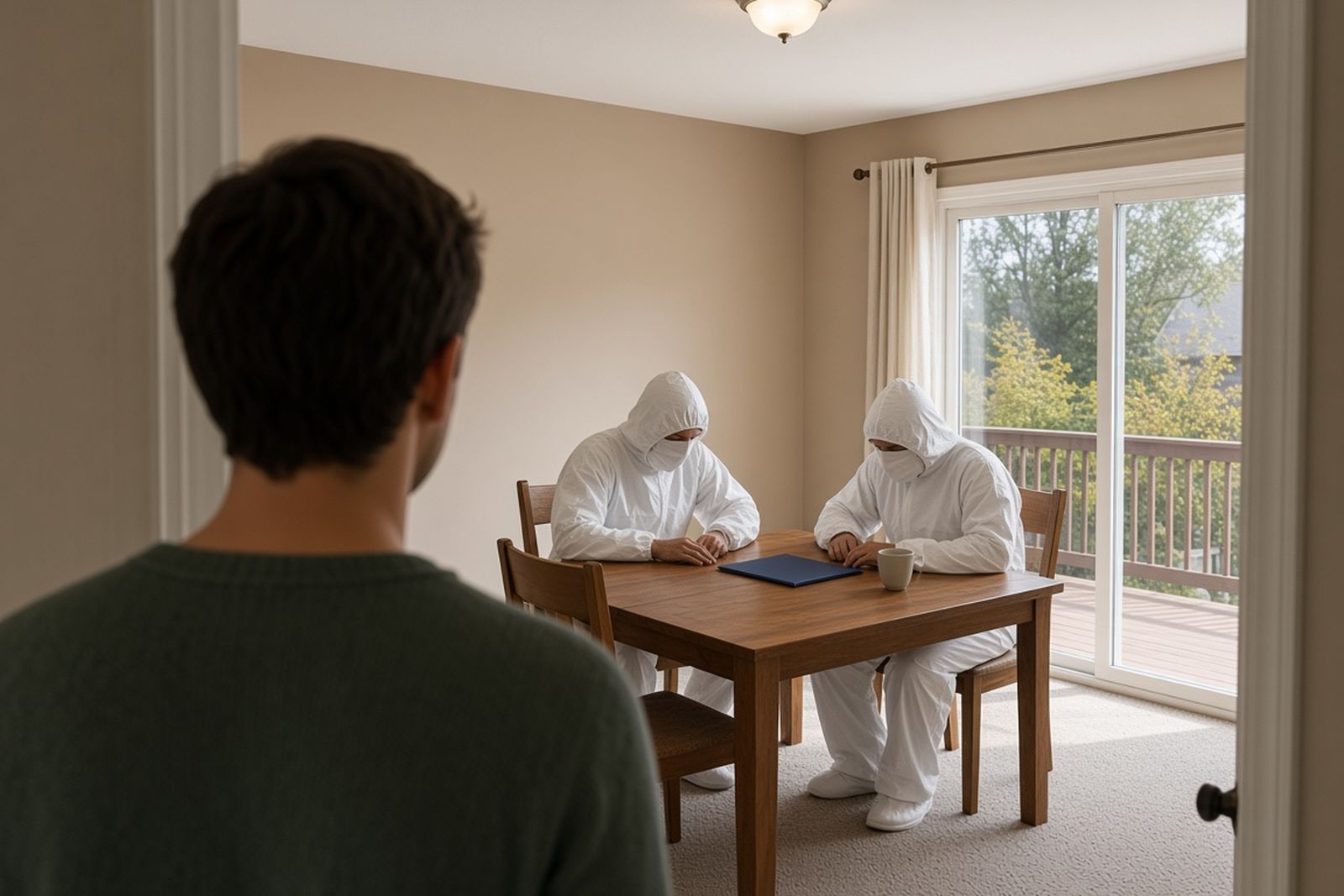
Yes, and many families find that this is the kindest choice they can make for themselves. A trusted relative, friend, faith leader, employer or property manager can speak with cleanup companies, review the written scope and meet the crew.
You may need to give permission if you own or rent the home, but after that, your helper can handle the details. Tell the company how you prefer to hear updates. Some people want to know each step, and others would rather hear nothing until it is finished. Both are fine.
If you were the person who found your loved one, it may be especially important to step back. Seeing the room again during cleanup can intensify painful memories. There is no obligation to be present, and a caring provider will never expect it.
It can also help to name one person who will answer questions from others, such as coworkers, neighbors or extended family. Well-meaning people often ask what happened or how they can help, and responding to each of them can be exhausting. A single contact can share what you are comfortable sharing and pass along offers of meals, errands or childcare.
Staying somewhere else while the work happens
For many people, the answer is yes. Staying with family or friends for a day or two while the crew works removes you from the sounds and activity of the cleanup and gives you space to rest. It can also give children a calmer environment.
If you need to remain at home, ask the crew to close the doorway of the affected room, keep equipment out of your line of sight and let you know when they will arrive and leave. You can spend the time in another part of the home with someone who can keep you company.
Afterward, you do not have to rush back into the room. Knowing that it has been professionally cleaned is enough for now. You can decide later when and how to go in.
What happens to the things my loved one left behind?
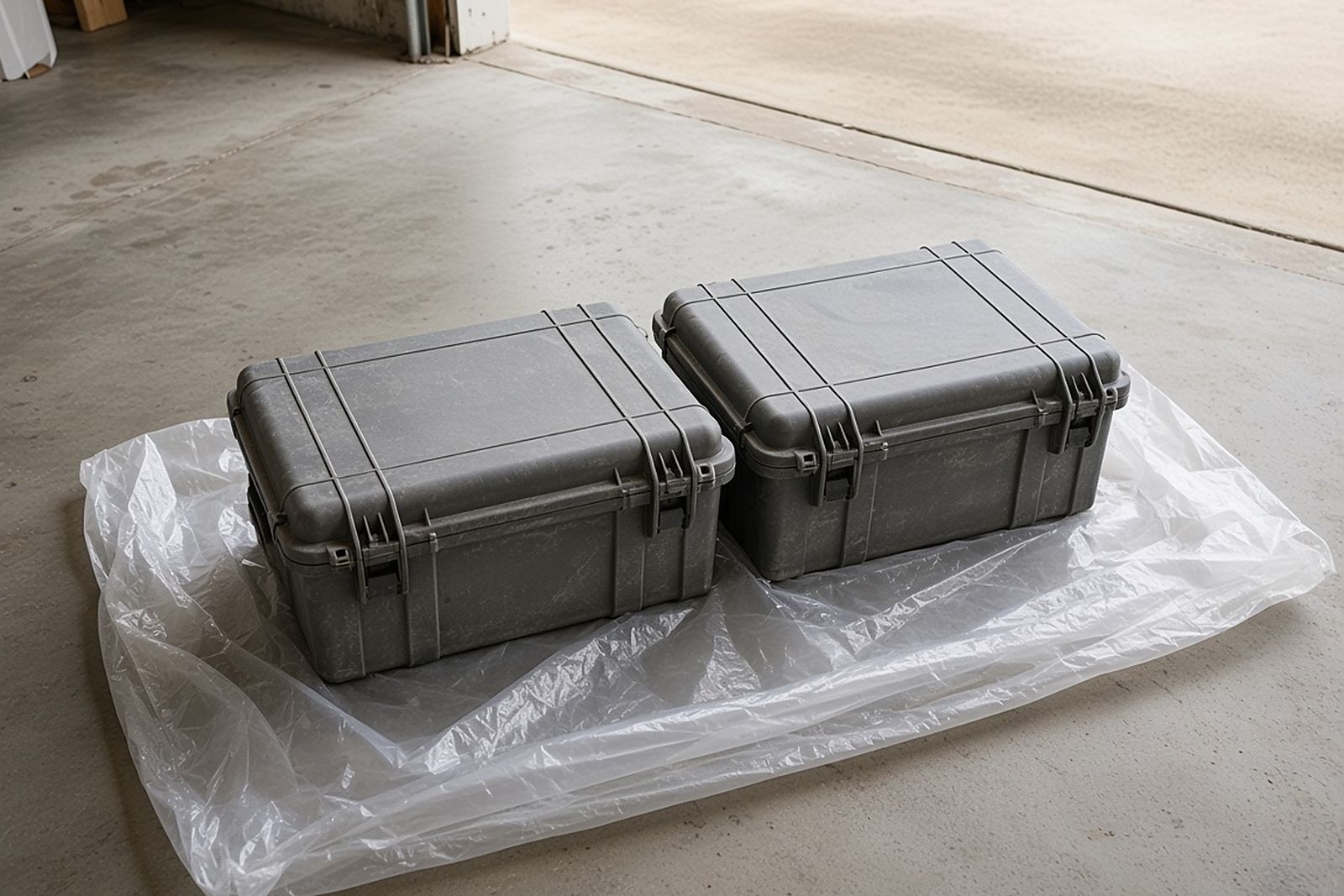
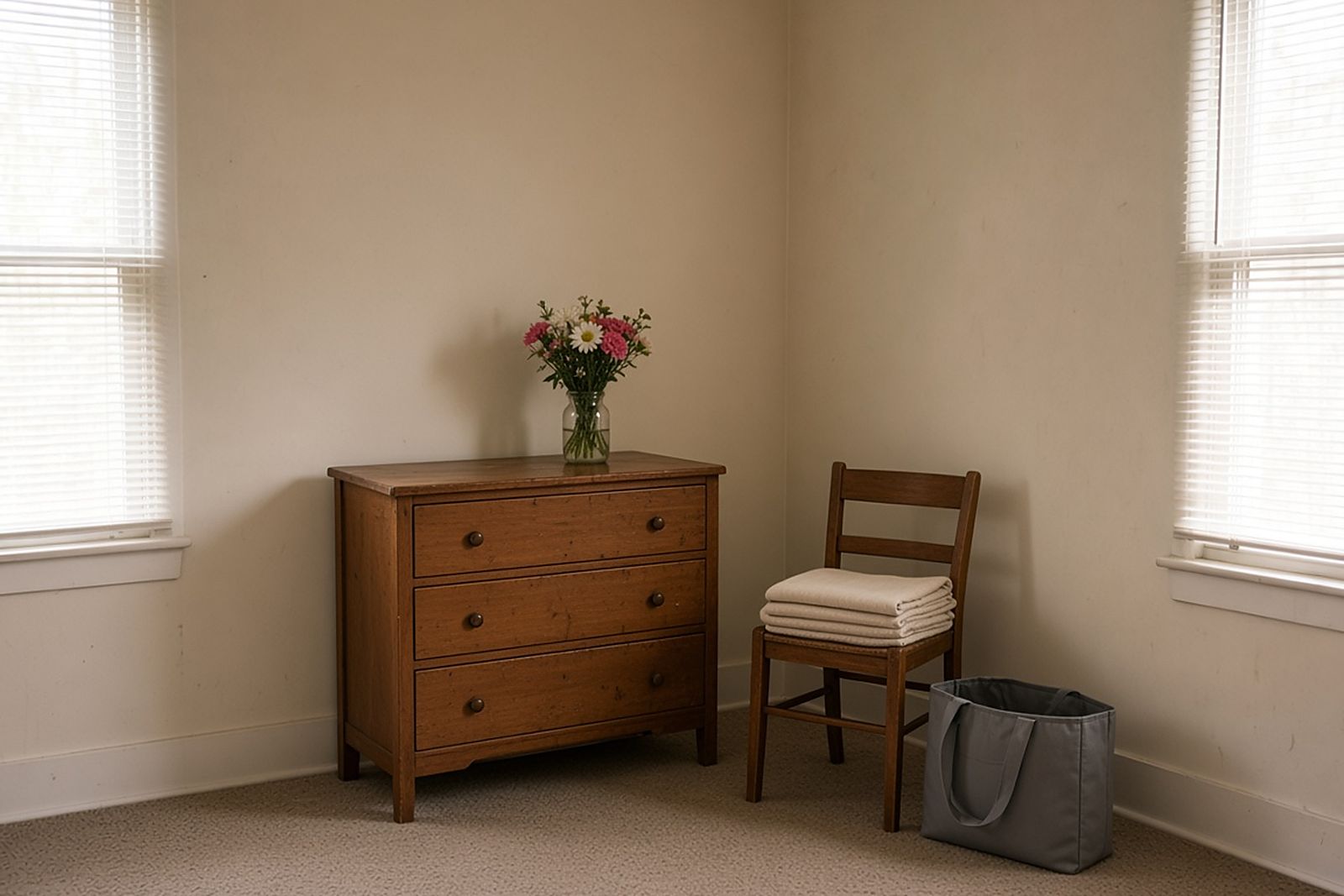
Belongings can feel precious and painful at the same time. You do not need to decide what to keep during the first days. Ask the cleanup company to set aside personal items from the room, clean anything that can be safely cleaned and pack everything in labeled containers. Items in the rest of the home can stay where they are until you feel ready.
If the crew finds a note or letter, it should be given to you or the appropriate authorities unread. Some families want to read such a note right away; others wait a long time. Neither choice is wrong, and you may want a support person with you when you do.
When you eventually go through belongings, consider doing it in short sessions with someone you trust. It is okay to keep things you are unsure about. Many people find that their feelings about certain items change with time.
Talking with children about what is happening
Children notice changes at home, and silence can make them feel more frightened. Grief specialists generally encourage honest, age-appropriate language, without details about how the death happened. You might explain that the person died, that it was not the child's fault, and that helpers are coming to clean and take care of the room.
Keep routines as steady as you can, such as meals, school and bedtime. Children may ask the same questions many times or show their grief through play or behavior. Patience and reassurance go a long way.
Many communities have grief programs designed for children and teens who have lost someone to suicide. A school counselor or pediatrician can help you find one. Taking care of their grief is also a way of taking care of your own.
Going back into the room
The first time you enter the room after cleanup can be emotional, even if it looks completely ordinary. Some people feel relief. Others feel a sudden rush of grief or memory. Many feel both.
It can help to plan the moment. Choose a time of day when you feel steadier, bring someone with you and decide beforehand how long you will stay. You might open a window, sit quietly or simply look from the doorway the first time. Each visit can be a little longer than the last.
Some families change the room over time, turning it into a different kind of space or rearranging it completely. Others keep it much the same as a place to feel close to their loved one. Your choice can evolve, and there is no deadline.
- Go in during daylight if that feels easier
- Bring a trusted person for the first visit
- Leave whenever you need to
- Notice what helps, and repeat it next time
A gradual path through the first weeks
Many survivors describe a gradual path rather than a single turning point. Often a brother, sister or close friend handles everything with the cleanup company while the person closest to the loss stays elsewhere for a few nights.
The helper asks the crew to set aside a few meaningful things, such as reading glasses, a framed photo or a notebook. When the survivor returns, the door may stay closed for a while. A first visit might last only a few minutes, with a sister or friend alongside, and weeks later the room may slowly come back into use for short periods.
Joining a support group for people who have lost someone to suicide is often part of that path. Hearing others describe the same guilt and questions can help a survivor feel less alone.
Where can suicide loss survivors find support?
Support designed specifically for suicide loss can be a lifeline. Survivor support groups, in person or online, bring together people who understand the particular questions and feelings this loss brings. Grief counselors who work with suicide bereavement can help as well, and faith communities can offer comfort and practical help.
Grief after suicide can sometimes bring thoughts of wanting to die, too. If that happens to you or anyone in your family, please reach out right away. You can call or text 988 to reach the 988 Suicide and Crisis Lifeline.
Reaching out is not a burden on others. It is a way of honoring your own life while you grieve someone you love.
Caring for yourself after the cleanup is done
When the practical tasks slow down, grief may feel sharper. Try to keep small routines, such as eating regular meals, getting outside and sleeping when you can. Let friends help with errands, meals and paperwork.
Expect harder days around birthdays, holidays and the anniversary of the loss, and plan support for them in advance. Healing after suicide loss is not about forgetting. It is about slowly finding a way to carry the loss alongside the love, with help from the people around you.
Be gentle with yourself about how you feel regarding the home. Some survivors find comfort there, while others feel uneasy for a long time. If the feeling of dread about a room or the whole house does not lessen over the months, a grief counselor can help you work through it at your own pace.