Short answer
Suicide cleanup uses infection-control science to make a room in a home safe again. Body fluids are treated as potentially infectious, porous materials absorb fluid beneath the surface, and disinfectants only work on surfaces that have been cleaned first and kept wet for the labeled time. Trained crews remove what cannot be restored, disinfect the rest, control odor and verify the result, so your family does not have to.
Why the science is worth knowing
When someone you love dies by suicide, the last thing you need is a chemistry lesson. Still, many families tell us they felt steadier once they understood why certain steps are taken. Knowing the reasons can make it easier to trust the people working in your home, to ask good questions and to say no to anyone offering a shortcut.
When a suicide happens at home, the affected space is usually a bedroom, bathroom, garage or living area that is full of personal meaning, and the science of cleanup has to work alongside that reality.
You do not need to read this all at once. Take what is helpful now and return to the rest later if you want.
Why are body fluids treated as a health risk?
Blood and some other body fluids can carry bloodborne pathogens such as hepatitis B, hepatitis C and HIV. This has nothing to do with who your loved one was. It is simply impossible to know the health status of any person from a stain, so professionals follow universal precautions and treat all such material as though it could be infectious.
Dried material still counts. Hepatitis B in particular is known for surviving outside the body, and dried residue can break into flakes or dust when scrubbed. That is one reason families are gently discouraged from cleaning the area themselves, even when they feel a strong urge to do something.
The emotional risk, and what to do if you already started
There is an emotional side to this risk as well. Cleaning the place where a loved one died can leave images that are hard to set down. Technicians arrive with the right gear, a clear plan and people of their own to talk to afterward. Letting them take it on is not avoidance. It is a way of protecting your health and your memories at the same time.
If you have already started cleaning before reading this, please do not blame yourself. Stop, wash your hands and any exposed skin well with soap and water, and set aside the cloths or tools you used in a sealed bag for the crew. If you have a cut that touched the material, or you are worried about an exposure, call your doctor or an urgent care clinic for advice.
How fluids travel through a room
Fluids move by gravity and by capillary action, the same process that lets a paper towel pull water upward. On carpet, fluid sinks into the pad and can reach the subfloor. In fabric, it spreads outward through fibers. On drywall, it can climb upward from the floor behind a baseboard.
What you see on top is often smaller than what lies underneath. A spot on a carpet may sit over a wider area of saturated pad. A mattress may look lightly affected on its surface while its inner layers have absorbed much more. Technicians use careful inspection, sometimes lifting a corner of carpet or removing a baseboard, to find the real boundary.
Timing also matters. If your loved one was not found right away, the home's temperature and the time that passed may mean more fluid migration and odor. A provider who asks about these details is not prying. They are working out how far the cleanup needs to reach.
- Carpet and pad often need removal when fluid has passed through
- Mattresses and upholstered furniture usually cannot be fully decontaminated
- Tile, sealed stone, glass and metal can usually be cleaned in place
- Grout, wood floors and baseboards are assessed individually
Why cleaning comes before disinfecting
Disinfectants are designed to kill microorganisms, but they struggle when a surface is still covered in organic material. The residue soaks up the product and shields whatever is underneath. So the crew follows an order: remove bulk material, clean with a detergent or enzyme cleaner that breaks down proteins, rinse if needed, and only then disinfect.
The disinfectant should be EPA-registered for bloodborne pathogens and used according to its label. The label gives a contact time, which is how long the surface must stay visibly wet for the product to do its job. On walls or in warm rooms, the crew may reapply so the surface does not dry too soon.
This is one of the clearest differences between professional work and a well-meant home effort. Household sprays applied to an uncleaned surface can make a room smell different without making it safe.
How do crews protect the rest of your home?
Before they touch the affected area, technicians set up containment. They may lay protective covering along the path from the door, hang plastic sheeting across the doorway and close or cover nearby vents so particles and odor do not move through ductwork.
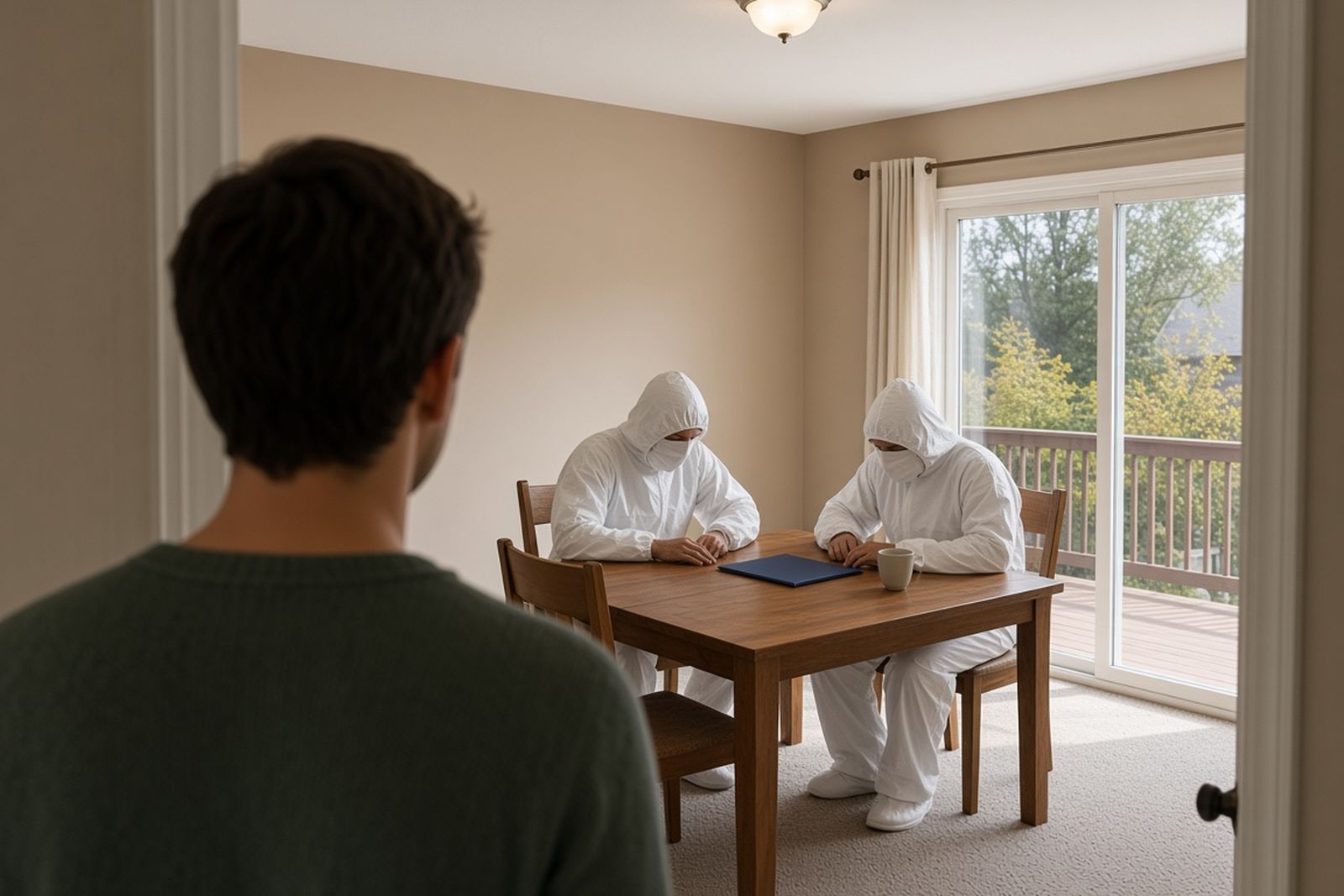
They also create a spot, often just outside the room, where they put on and remove protective suits, gloves, eye protection and respirators. Used gear is bagged there, which keeps contamination from traveling through hallways on shoes or clothing.
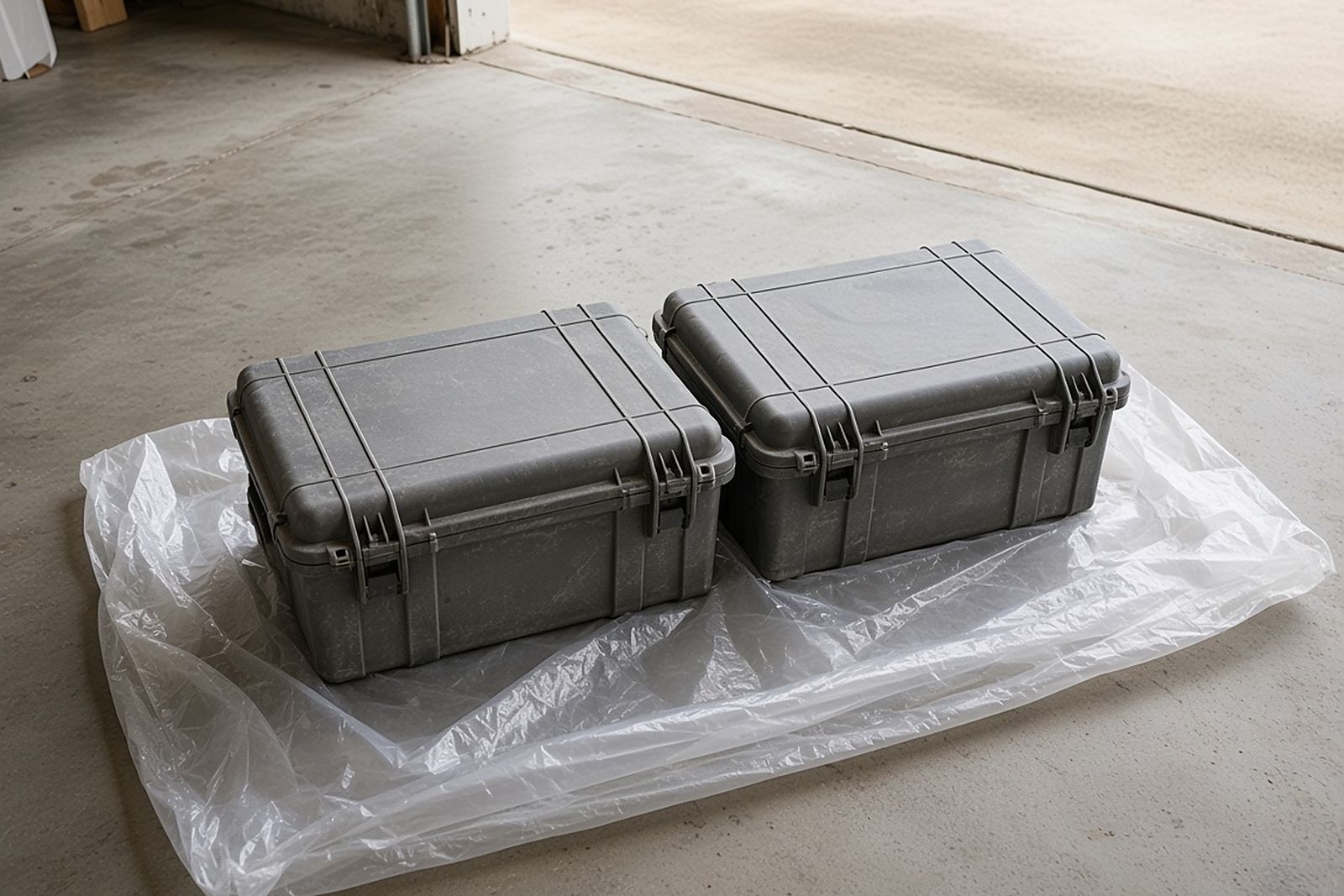
If materials need to come out, such as a mattress or a section of carpet, they are wrapped and sealed inside the room before being carried out. Many crews do this discreetly so neighbors see nothing more than a routine cleaning job.
Pets need a plan too. Dogs and cats may be drawn to the affected room by scent, so it helps to keep them with a friend or in a closed-off part of the house until the work and any odor treatment are complete.
Odor that lingers
Odor comes from compounds released as biological material breaks down. Those compounds cling to fabrics, drywall, wood and even air filters. Air fresheners and candles only cover the smell for a short while, and some families find that mixed scents become a painful reminder of their own.
Professional odor control starts by removing the source. After contaminated materials are gone and surfaces are cleaned and disinfected, a provider may seal cleaned subfloor, run HEPA air filtration or use deodorization equipment suited to the space. Some methods require everyone, including pets, to stay out of the home for a time, so ask for clear re-entry instructions.
The science in one bedroom
The following example is invented, but typical. A father learns that his teenage son has died by suicide in his bedroom. After the medical examiner releases the home, the father's sister handles the call to a cleanup provider so he can stay with his younger daughter.
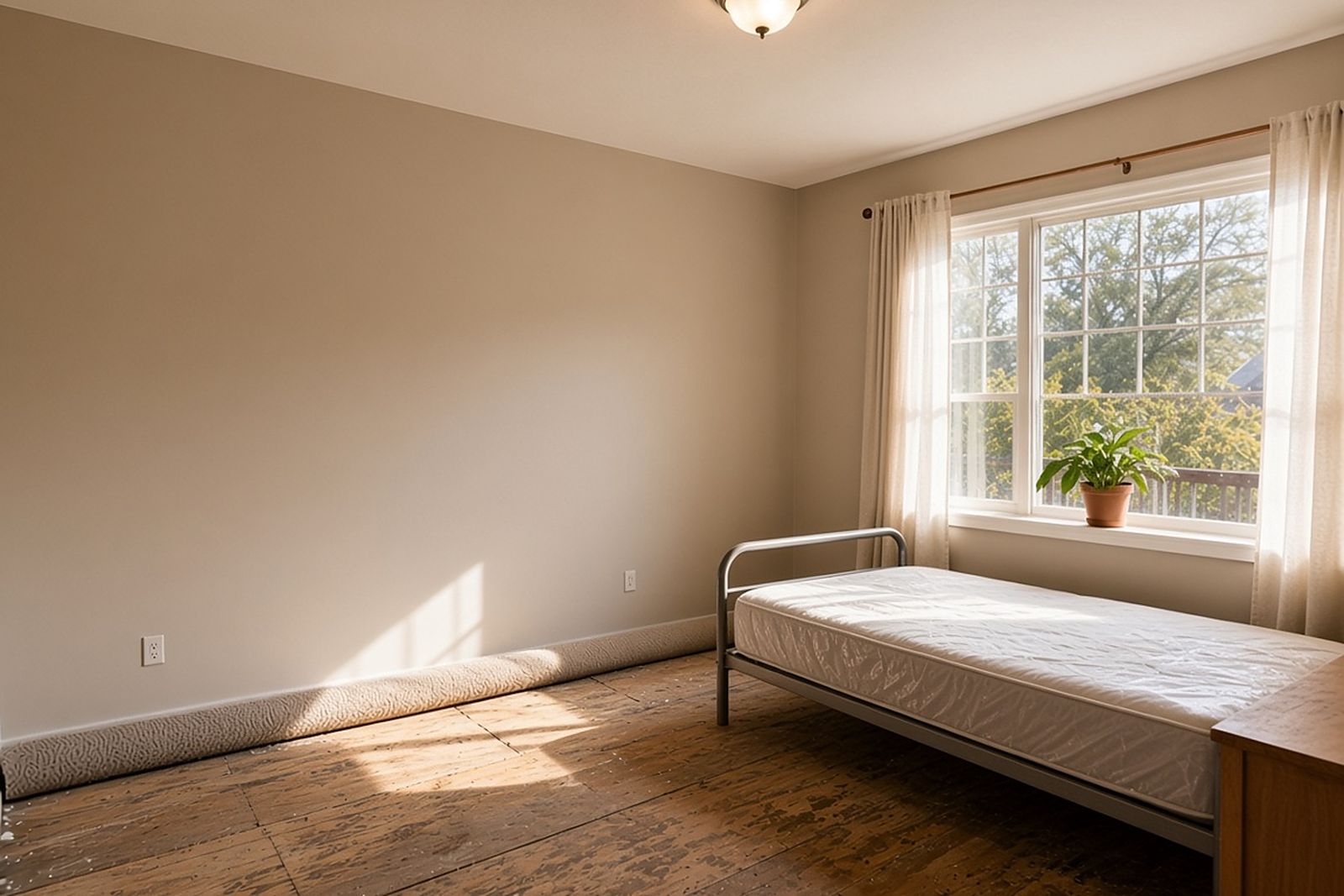
The technician finds that the carpet, pad and a corner of the mattress are affected, while the desk and dresser have only a few spots on sealed surfaces. Lifting the carpet shows a small stain on the plywood beneath. The crew removes the carpet, pad and mattress, cleans and disinfects the subfloor and furniture, and seals the plywood to block odor.
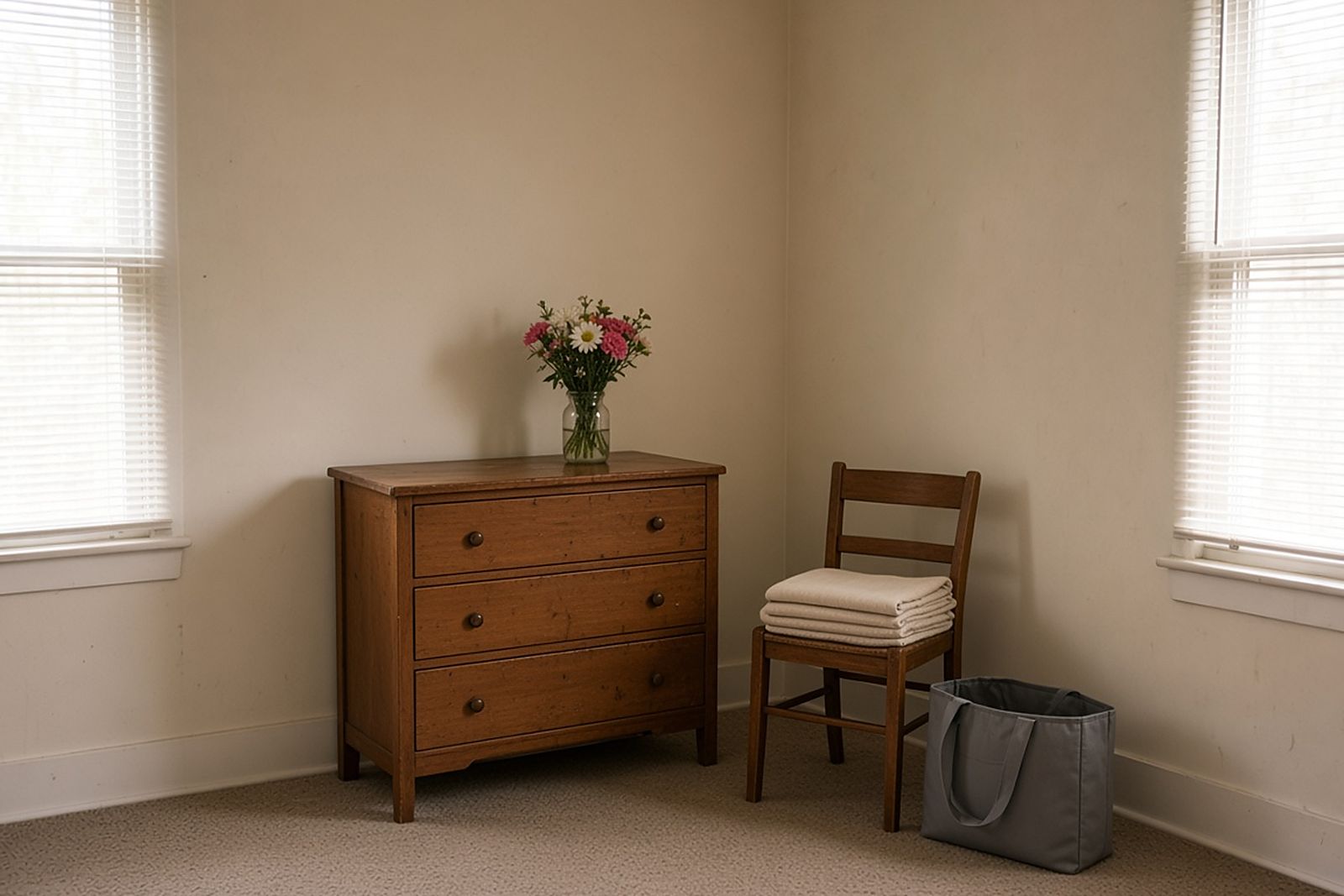
Before they start, the sister gives them a short list: the son's hoodie on the chair, his sketchbook and his headphones. The sketchbook and headphones are cleaned and returned. The hoodie is set aside in a sealed bag with a note, so the family can decide later. This example is fictional and meant only to show how the science guides each choice.
How will you know the room is truly clean?
A careful provider does not stop at appearance. They inspect with strong light at low angles, check seams, grout lines and furniture edges, and confirm that areas where material was removed are clean down to sound surfaces. Some also use ATP testing, which measures leftover organic residue. It does not detect specific germs, but low readings support the visual inspection.
You should receive a written summary listing what was cleaned, what was removed, which disinfectant was used and how waste was packaged and transported. Disposal rules for this kind of waste differ across the country.
If repairs are needed, such as new carpet or a patch of drywall, the summary should say so clearly, so you or a contractor can plan the next step when you are ready.
Where to turn for support
Grief after suicide can be complicated and heavy, and it often touches many people at once. You are not alone, even when it feels that way.
If you or someone close to you is struggling, you can call or text 988 at any time to reach the 988 Suicide and Crisis Lifeline. Local suicide loss survivor groups, grief counselors, faith leaders and trusted friends can also help carry some of the weight. Asking for support is a sign of care, for yourself and for the people around you.