Suicide Cleanup Services: What Each One Covers

The work is split into three services. Below you can read what each covers, who it helps, and what records your family should get when it is done.

Get an email reply about suicide cleanup

Send a short message and get an instant email confirmation. A coordinator then replies by email. This form does not send emergency help; call 911 first if anyone is in danger.

Tell us what you need help with. Share a short description; please leave out medical details, access codes, and other sensitive information.

A request does not confirm a booking. For immediate danger, contact local emergency services.

Or email info@suicidecleanup.online

A service built around your family

Two services cover the physical work: making the room safe, and getting it ready for any repairs. The third covers how the company works with your family, including privacy, pace, and belongings.

You can ask for all three or only the first. If a company bundles them, ask what is included in each so you know what you are paying for and what you can decline.

The services, one by one

Biohazard Remediation

Who it is for: Any family, landlord, or owner whose home or vehicle needs cleaning after a death by suicide. It is the core of every job.

The crew checks how far fluids reached, including under flooring and along baseboards. They clean affected surfaces and apply a disinfectant for the full time its label requires. Materials that cannot be made safe are removed and sealed. Waste goes to a disposal company allowed to accept it.

What you should get: A plain written summary of what was cleaned and removed, and a disposal record, with no graphic wording.

Property Restoration

Who it is for: Homes where flooring, drywall, or trim had to be taken out. It readies the space for repairs.

The crew makes sure the bare wood and inside of the walls are clean and fully dry before anything is closed up. They list what was removed and what stayed. They can share photos with your contractor or insurer so you do not have to describe the room. Any lingering smell is addressed before new finishes go in.

What you should get: A written scope your insurer and contractor can use, kept separate from any rebuild estimate.

Family Support Coordination

Who it is for: Families who want one steady contact, privacy from neighbors, and a say in what happens to belongings. It is practical help, not counseling.

One person from the company keeps your family updated and answers questions. The crew can use unmarked vehicles and a quiet route in and out. They list personal items before anything is removed and get written consent before disposal. They tell you clearly when the room is ready.

What you should get: A list of saved and discarded items, and clear word on when it is okay to return.

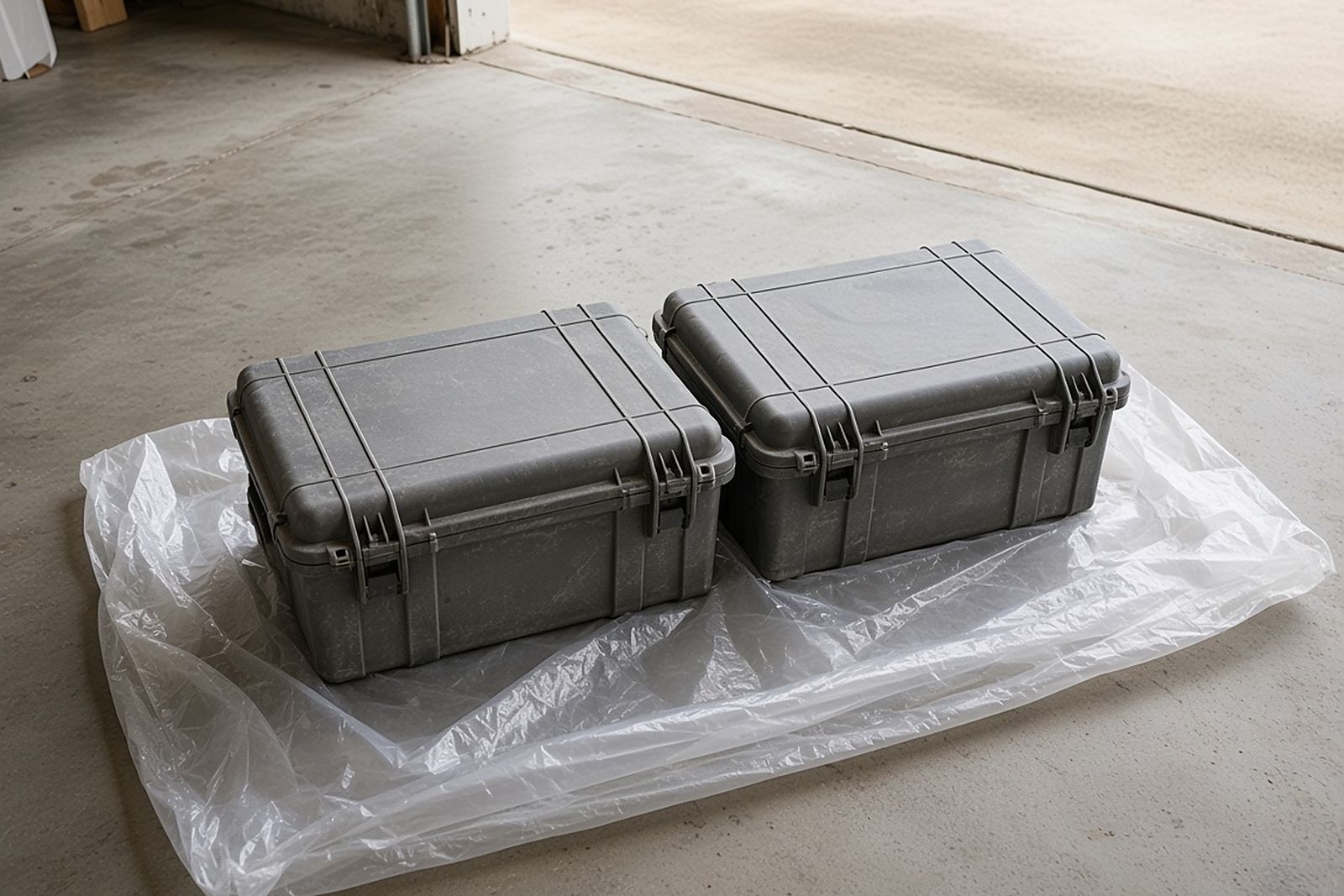
Two plain gray equipment cases on plastic sheeting in a garage
Illustrative photo, not a job record. Two plain gray equipment cases on plastic sheeting in a garage.
Cleaned bedroom with a bare mattress on a metal frame, sheer curtains and a houseplant on the sill
Illustrative photo, not a job record. Cleaned bedroom with a bare mattress on a metal frame, sheer curtains and a houseplant on the sill.

Suicide Cleanup in numbers

$500 billion

CDC states that suicide costs Americans over $500 billion annually, and each prevented suicide saves over $10 million in societal and health care costs.

Read with care: Includes medical, work-loss, value-of-statistical-life and quality-of-life costs; not out-of-pocket family costs.

Source: CDC (2024)United States, annual societal cost estimate

616,000

U.S. emergency departments recorded about 616,000 visits for self-harm injuries in 2022.

Read with care: Survey-based estimate; excludes people who did not seek care.

Source: CDC National Center for Health Statistics (2022)United States, 2022, emergency department visits

$0 to employees

Since February 13, 2008, OSHA has required employers to provide required personal protective equipment at no cost to employees.

Read with care: Exceptions exist for non-specialty footwear, prescription eyewear and lost or deliberately damaged PPE.

Source: OSHA (2008)US general industry employers

157.4 per 10,000

Janitors and cleaners in private industry had 157.4 nonfatal injuries and illnesses involving days away from work per 10,000 full-time workers in 2019.

Read with care: Counts only cases with days away from work and does not isolate injuries from chemical or biohazard exposure.

Source: BLS (2019)United States, private industry, janitors and cleaners except maids and housekeeping cleaners

These figures are public research and agency data, not this network's own job records. Keep each number with its population, year and limits; none of them predicts cost, timing or outcome at a specific property.

What these services do not include

  • Grief counseling or crisis care. Call or text 988, or ask your doctor for a counselor who works with suicide loss.
  • Rebuilding floors, walls, or paint. A general contractor does that after the room is cleared.
  • Legal or estate advice. An estate lawyer or local legal aid office can help.
  • Investigating the death. That is the role of police and the medical examiner.
  • Arguing an insurance denial. A public adjuster or lawyer can review a denied claim.

After the crew has gone

Keep the written summary, disposal record, and item list with your insurance papers. If you notice an odor or a spot you are unsure about in the weeks ahead, call the company and ask them to come back and check. A caring company will not make you feel foolish for asking.

The weeks after the cleanup can feel harder than the first days, once visitors go home. That is common. Survivors of suicide loss groups, a counselor, or a faith leader can help. If thoughts of harming yourself come up, call or text 988, or text HOME to 741741 to reach the Crisis Text Line.

What research has found

Findings from published studies of people and properties in situations like this one. They describe what researchers observed in a specific group; they are not predictions for your case.

Images of the encounter could persist into later bereavement.
Who was studied: 34 Brazilian relatives interviewed during 2013–2019.Limits: Experiences of selected relatives; no population frequency estimates.Exploring the experiences and impact of discovering the body at the site of suicide (2026)
Participants wanted offers of support to continue over time.
Who was studied: 34 Australian men; qualitative interview study.Limits: Same research programme/sample size as S020; no independent effect estimates.Suicide bereavement in men: A qualitative study of barriers and enablers to seeking supp… (2026)

Suicide Cleanup community polls

Poll results

Every count is a real visitor vote; nothing is seeded or padded. One vote per poll per device, and you can change your answer.

Process

If you were coordinating cleanup after a suicide loss, who would you want to make the first call to a provider?

No visitor votes yet
General

How important is it to you that a cleanup crew arrives in unmarked vehicles and plain clothing?

No visitor votes yet
Your experience

Would you stay in the home while remediation was being done in another room?

No visitor votes yet

Before you hire: suicide cleanup questions

Does Family Support Coordination include counseling?

No. It is practical help: one contact, privacy, careful handling of belongings, and clear updates. Crews are not therapists and should not act like it. For emotional support, a grief counselor who works with suicide loss can help, as can support groups and faith leaders. For crisis support at any hour, call or text 988.

How will we know the room is ready?

Your contact person should tell you directly, by phone or message, once the work is finished and any equipment has been removed. They should also say whether there are any limits, such as a wait before walking on a new floor. You can ask them to describe the room first, so you know what to expect before you or anyone else goes in.

Can the work be scheduled around a funeral or memorial?

Yes. Tell the company the date of any service or gathering, especially if people will be at the house. Many can work before or after, or keep the area sealed while guests visit. The goal is that the cleanup fits into your family's week, not the other way around. Ask them to confirm the schedule in writing.

Can we do the cleaning now and the repairs later?

Yes. Making the room safe is the urgent part. Repairs like new flooring or paint can wait until your family is ready or insurance has paid. Ask the crew to seal or cover any open areas so the room is safe to leave closed. Keep their photos and notes so a contractor can pick up later without re-inspecting everything.

What will the invoice and report say?

They should describe the work in neutral terms, such as biohazard cleaning, materials removed, and disposal, without graphic detail. Insurers need facts about the work, not about the death. If you see wording that upsets you, you can ask the company to revise it. It is a reasonable request, and a respectful company will agree.

Can family stay in the home while the crew works?

Often yes, provided the room is closed off with sheeting and you keep clear of it. Some families prefer to be elsewhere for the day because the sounds of work can be hard to hear. If the crew needs to run equipment that requires an empty home, they should tell you ahead of time and let you know when you can return.

What happens if the crew finds a letter or other personal writing?

A caring crew sets it aside unread and gives it to your family contact in a sealed envelope. If police still have an open file, they may ask the family to share it with them. You can tell the company in advance how you want items like this handled, and who should receive them.

Questions about your situation?

Describe what happened in a sentence or two. You get an instant email confirmation, then a coordinator replies by email.

You get an instant email confirmation, then a coordinator replies by email.

If anyone is hurt or in danger, call 911 first.